Start Here: Be Honest About Where You're Starting From
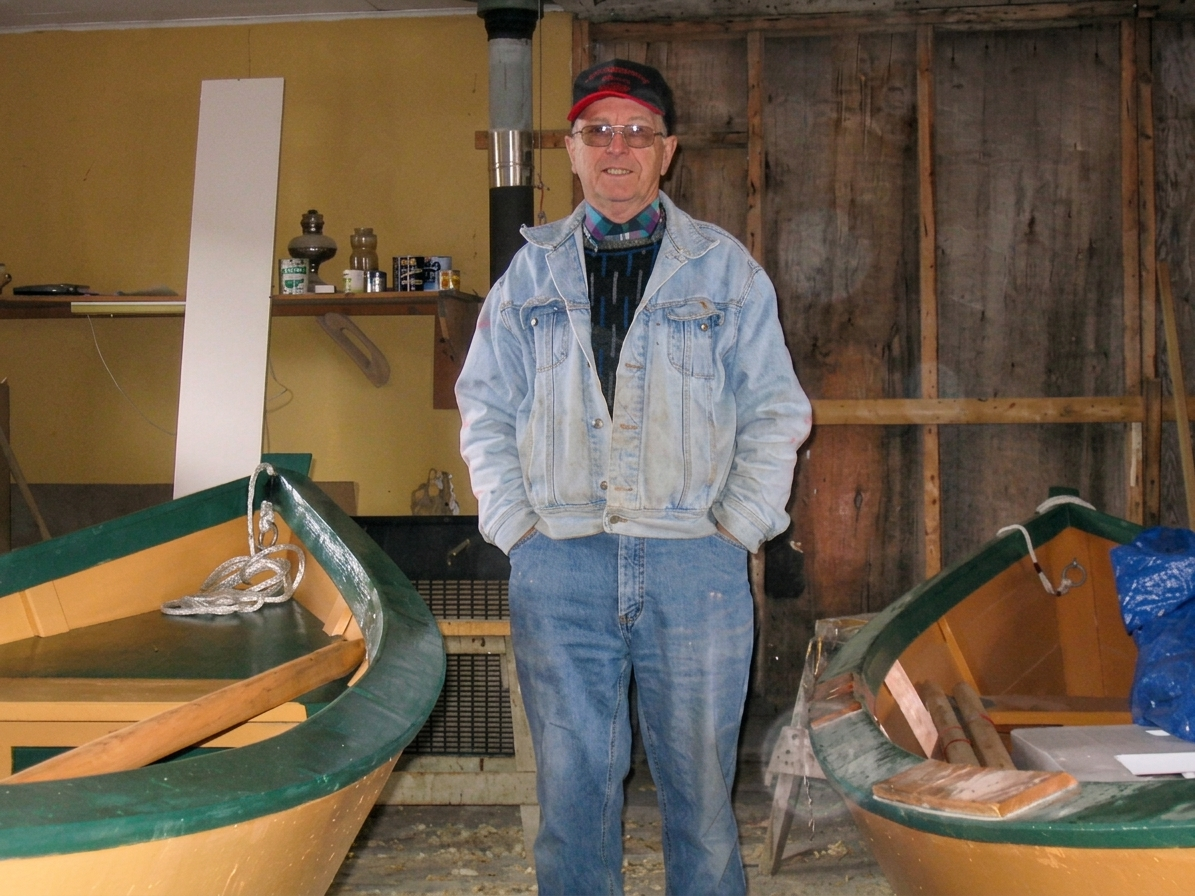
The single biggest mistake people make when choosing boat plans is buying for the builder they intend to become rather than the builder they are right now. Plans that are clear and straightforward for an experienced boatbuilder can be genuinely frustrating - even impossible - for someone building their first boat.
Before you look at any set of plans, answer this honestly: have you built a boat before? Not a raft, not a canoe kit from a box - an actual planked or stitched wooden boat from raw plans? If the answer is no, that changes what you should be looking for considerably.
This guide is written for people in that second group. Experienced builders generally know what they need. First-timers often don't know what questions to ask until they're already stuck.
The Lofting Question
This is the question most beginners don't know to ask - and it's probably the most important one.
Lofting is the process of scaling up boat plans to full size on the shop floor, then using those full-size drawings to mark and cut your timber. It's a traditional skill that professional boatbuilders learn over years. Many sets of boat plans - including excellent, well-regarded ones - require it.
If you've never built a boat, you almost certainly don't know how to loft. Plans that require lofting will stop you dead before you make a single cut. You'll spend weeks trying to learn a skill that has nothing to do with building the boat itself.
The question to ask before buying any set of plans: does this require lofting? If the answer is yes, or if the plans don't address the question at all, that's a significant obstacle for a first-time builder to consider carefully.
What "no lofting required" actually means: Every measurement is given at full scale in the plans themselves. You read the measurement, you mark the timber, you cut. There's no intermediate step of recreating the drawing at full size on your shop floor.
Photos vs. Drawings
Traditional boat plans consist of technical drawings - lines, dimensions, cross-sections. These are genuinely useful for experienced builders who can visualize what a cross-section means in three dimensions and translate a dimension on paper into a cut on timber.
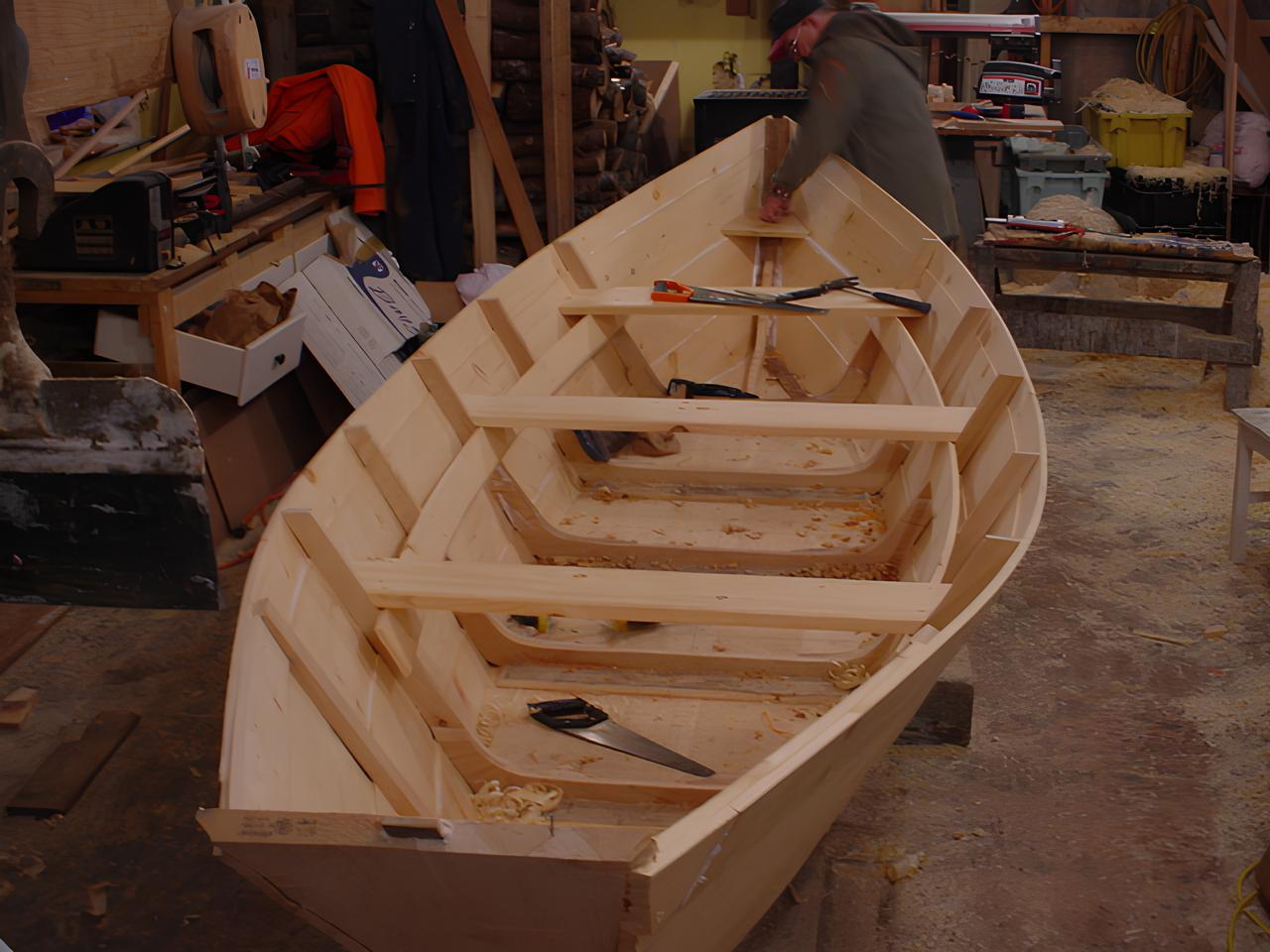
For a first-time builder, the gap between a technical drawing and a real cut can be where confidence evaporates. A drawing shows you what something should look like when it's done. A photograph of someone actually doing the step shows you what your hands should be doing right now.
When evaluating plans, ask: are there photographs of the actual building process? Not just of the finished boat - of each step being performed? How many? Are they clear enough to follow?
This matters more than page count, more than the reputation of the designer, and more than price. A set of plans with 60 clear photographs of each building step will produce more successful first builds than a beautifully drawn set of plans with none.
What a Good Materials List Looks Like
Most plans include a materials list. What most beginners don't realize is that materials lists vary enormously in usefulness.
A minimal materials list tells you what you need: "12 board-feet of 1-inch spruce." That's accurate, but it assumes you know what spruce looks like, what to ask for at the lumber yard, and whether a substitute is acceptable when spruce isn't available locally.
A genuinely helpful materials list for a first-time builder includes:
- Photos of each material so you can identify it at the lumber yard
- Alternative species or materials when the primary choice isn't available locally
- Notes on what properties matter (so you understand why one wood works and another doesn't)
- Fastener specifications detailed enough that you can hand the list to someone at a hardware store
This applies equally to the tools list. "A plane" covers everything from a $15 block plane to a $400 jointer plane. Plans written for beginners specify exactly what tool, why, and what it looks like.
The Support Question
Every first build hits a point where something isn't making sense. The plans say one thing, what you're looking at in the shop says something different. This happens to everyone.
What happens next depends entirely on whether you have someone to ask.
Some plan sets come with access to the designer or an online community. Some don't. Before you buy, it's worth knowing: if you get stuck three weeks into the build, is there anyone to ask? And if so, how long does a response typically take?
A build that stalls for two weeks waiting for an answer often doesn't restart. Momentum matters more than most people expect going in.
Wood Type and Construction Method
Two main construction methods dominate beginner-accessible wooden boat building:
Plywood stitch-and-glue
Panels of marine plywood are cut to shape, stitched together with wire, then glued and glassed. It's relatively forgiving of minor errors, uses widely available materials, and produces a boat quickly. Many good beginner designs use this method. The finished boat is typically sealed in fiberglass.
Traditional timber planking
Individual planks (strakes) are shaped and fastened to a timber frame one at a time. It's the method used for centuries before plywood existed. It takes more time and care than stitch-and-glue, but produces a boat that repairs more easily (replace a plank rather than grind and re-glass), looks and feels different, and connects you to a longer tradition of building.
Neither method is categorically better. The right choice depends on what you want from the build experience as much as the finished boat. Be clear on which method the plans use before you buy - the tools, materials, and skills involved are different enough that you don't want to discover this after you've started.
The Checklist Before You Buy
Ask before buying any set of plans
- Does this require lofting? If yes, do I know how to do that?
- Are there photographs of each building step, or only technical drawings?
- Is the materials list specific enough to hand to someone at a lumber yard?
- What construction method does this use - and is that what I want to learn?
- Is there someone to contact if I get stuck? How quickly do they respond?
- Has this design been built by beginners before, and are there finished examples to see?
- What's the refund policy if I get the plans and realize they're not right for me?
A Note on Price
Boat plans range from free to several hundred dollars. Price is a poor predictor of whether plans will work for a first-time builder.
Free plans exist that are genuinely excellent for experienced builders. Expensive plans exist that assume knowledge no beginner has. The questions above matter far more than the price tag.
What does matter: the cost of the plans is usually the smallest line item in the budget. Materials for a 16' wooden boat run $300-600 depending on species and location. Your time is worth something. Plans that work out are cheap at any price; plans that leave you stuck and frustrated are expensive even at $30.
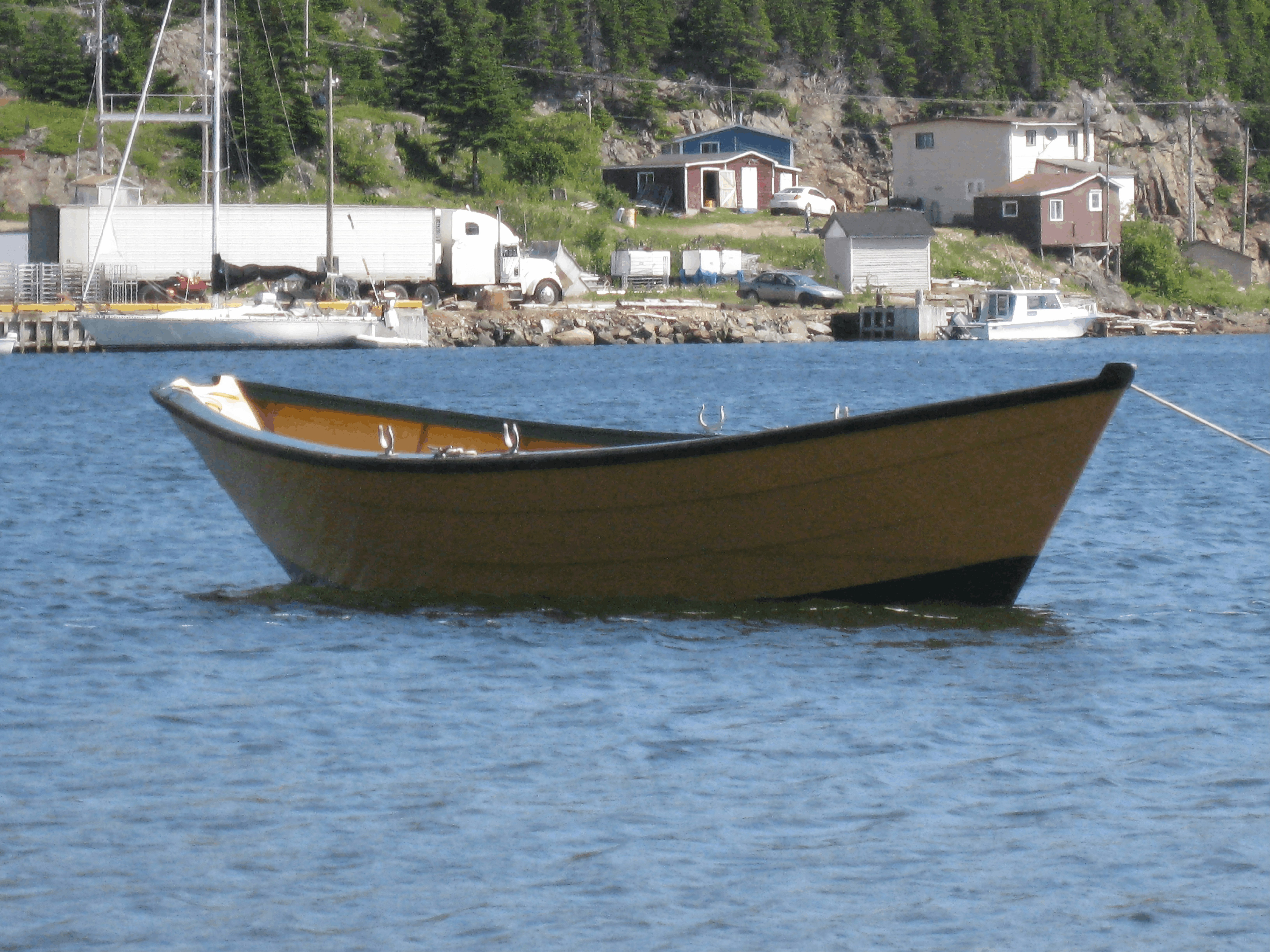
If you're looking specifically for a traditional Grand Banks dory - the design used by Newfoundland fishermen on the North Atlantic for centuries - see the DoryPlan plans here. 91 pages, 63 photographs of every step, no lofting, and personal email support from Fraser included.
See Real Builds
Before committing to any set of plans, try to find real completed boats built from them - not renderings, not the designer's own prototype. Actual builds by regular people.
This tells you two things: the design is proven and buildable, and the level of finish you can realistically expect.