Choosing the Right Wood
One of the first questions new boat builders ask is: what wood should I use? The answer matters more than people realize. The wrong wood will warp, rot, split, or simply be too difficult to work with. The right wood will last decades.
The traditional Grand Banks dory uses a combination of wood species, each selected for specific properties. Here’s a complete breakdown.
The wrong wood will warp, rot, split, or simply be too difficult to work with. The right wood will last decades.
White Pine - The Planking Wood
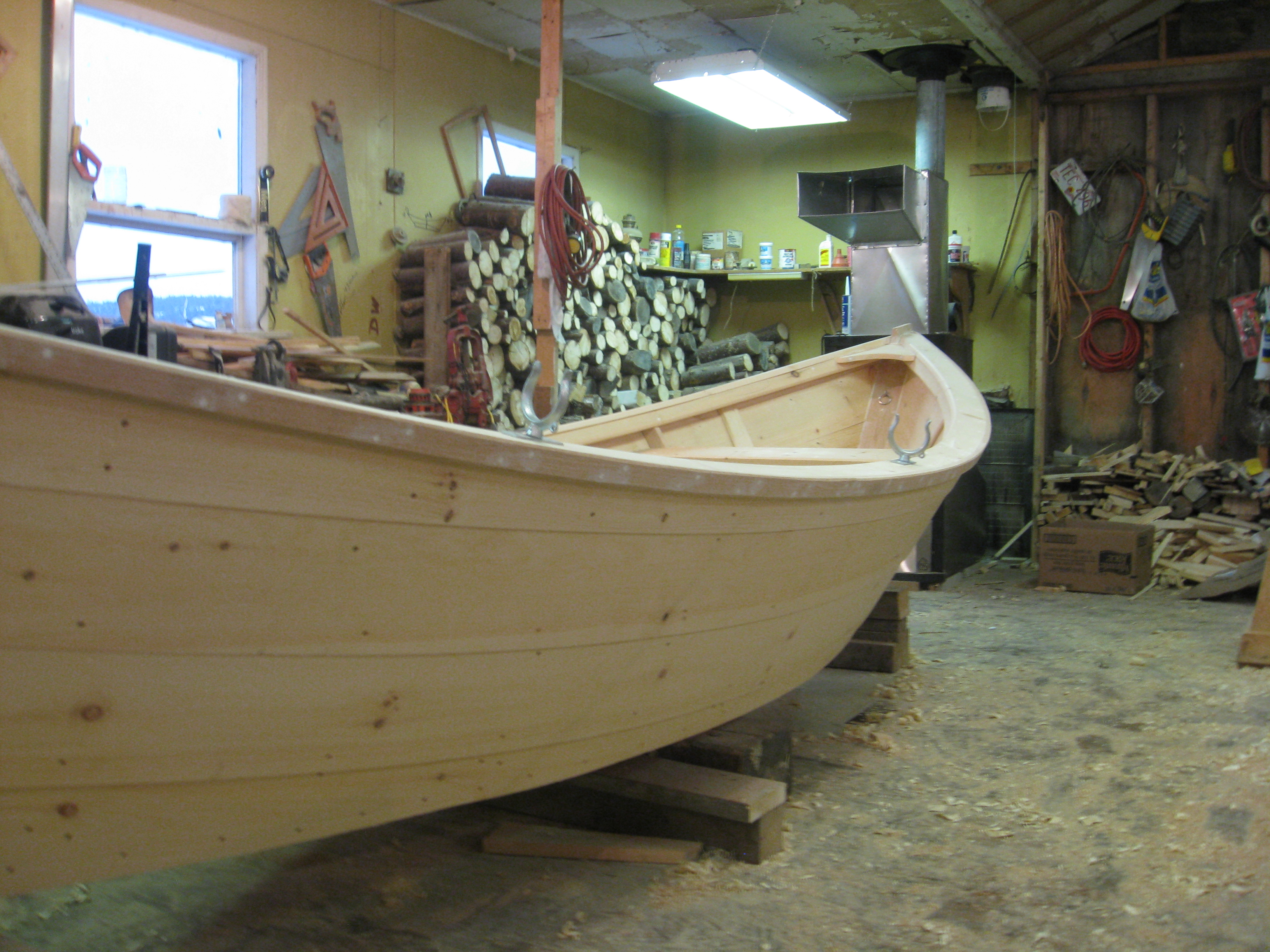
White pine is the traditional planking material. It offers the ideal combination of properties for hull construction:
- Lightweight - keeps overall boat weight manageable
- Straight-grained - bends around hull form without cracking
- Easy to work with hand and power tools
- Holds screws well when used with marine glue
- Takes paint beautifully
White pine is not the most rot-resistant species, which is why proper painting and maintenance matter. The key spec is clear, straight-grained stock with no large knots.
Eastern white pine (Pinus strobus) is the traditional choice in Atlantic Canada. Western white pine is slightly harder but equally workable. Buy what’s available in your area.
Oak - The Timber Wood
Timbers (ribs) are made from oak - the most stressed structural member in the boat.
- Exceptional strength and stiffness
- High resistance to compression and bending
- Holds screws with tremendous grip
- Durable and slow to rot when sealed
White oak is preferred for marine use. It contains tyloses - natural plugs in the wood cells - that make it much more water-resistant than red oak. Red oak is porous and absorbs water readily, leading to swelling and rot.
White oak contains tyloses - natural plugs in the wood cells - that make it much more water-resistant than red oak.
Birch - The Stem
The stem at the bow is traditionally birch:
- Very hard and dense - resists impact
- Fine grain takes a bevel cleanly
- Machines and sands to a smooth finish
The stem is a 39-inch piece, 2 inches wide and 2 inches thick, with a 1-inch bevel on each side.
What About Cedar?
Western red cedar is popular in kayak and canoe building. It can substitute for pine but is not ideal - softer, dents more easily, holds screws less securely, and needs more finish coats. For a working dory, stick with white pine.
What About Plywood?
Marine plywood is dimensionally stable and widely available, but it changes the build character entirely. Traditional lapstrake construction relies on solid planks bent around the hull. Plywood uses stitch-and-glue or strip-planked construction - a different technique altogether.
Sourcing Your Lumber
- Hardwood lumber dealers - most larger cities have one
- Local sawmills - excellent white pine at lower prices
- Boat building suppliers - Boulter Plywood (New England), Noah’s Marine (Ontario)
Always buy 10% more than you need for rejects and bad cuts.
The complete materials list with exact dimensions is in the Grand Banks Dory Plans - 63 photos, every measurement, and personal support from Fraser.
See the Full Plans